Nanjing's Fuzimiao & Qinhuai River: A Walking Guide Through 1,500 Years of History
“Mist veils the cold water, moonlight the sand; my boat moored by the Qinhuai, near a tavern.” — Du Mu (803–852 AD)
The Qinhuai River is to Nanjing what the Seine is to Paris — a waterway that doesn’t just flow through a city, but through its history. For over 1,500 years, this river has witnessed the rise and fall of dynasties, the triumphs and heartbreaks of scholars, and the songs of legendary courtesans.
The Fuzimiao–Qinhuai River scenic area is where all of these stories converge. Today it’s a bustling pedestrian zone filled with souvenir shops and street food stalls — but beneath the modern surface, layers of history are waiting to be uncovered. You just need to know where to look.
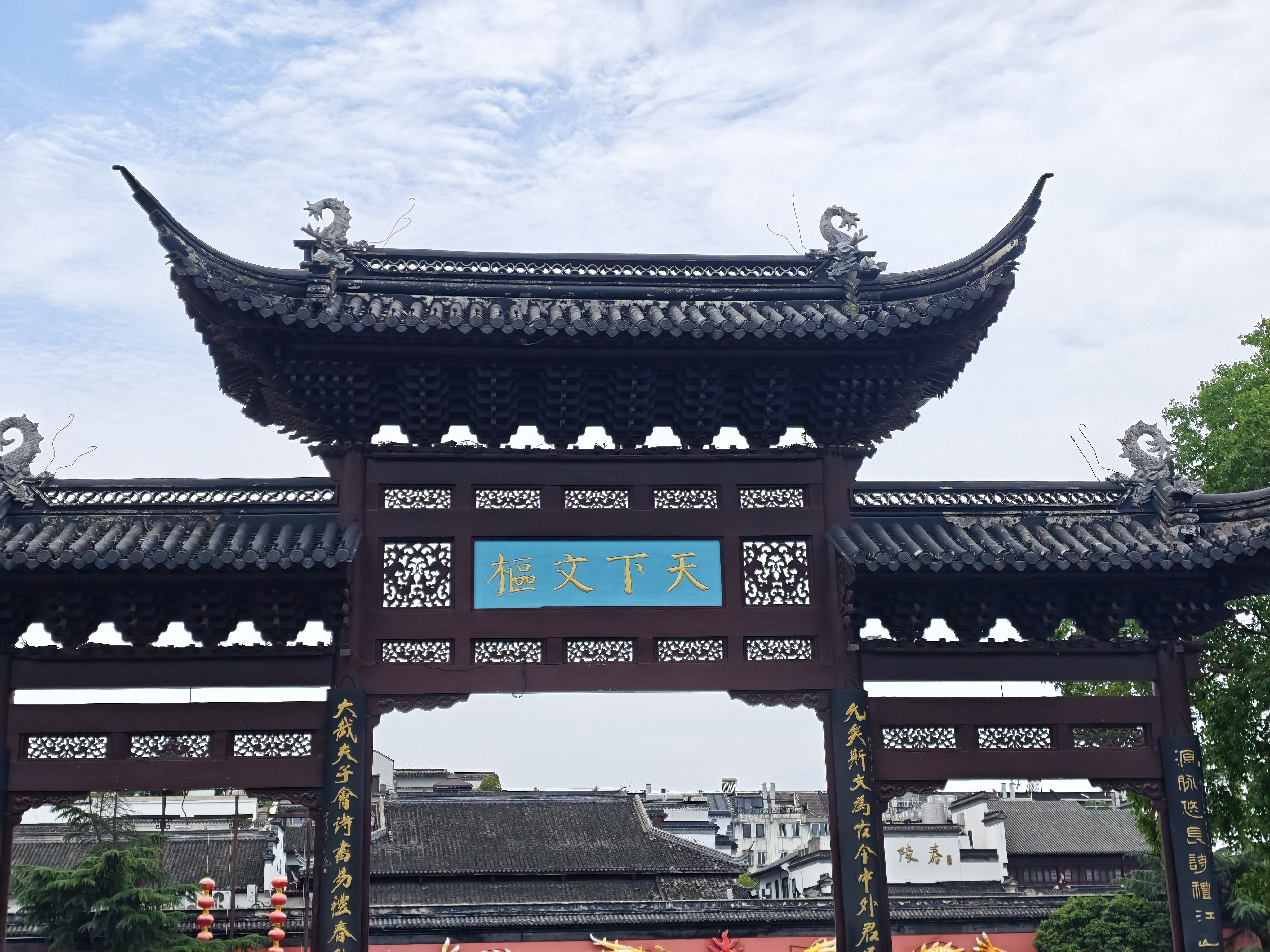 The Gate of Heavenly Culture — Fuzimiao’s iconic landmark, its golden characters glowing beneath traditional flying eaves
Essential Information
| Item | Details |
|---|---|
| Location | Gongyuan West Street & Fuzimiao Pedestrian Zone, Qinhuai District, Nanjing |
| Hours | Outdoor area: 24/7; Indoor attractions: 09:00–17:00 |
| Admission | Confucius Temple (Dacheng Hall): ¥30; Imperial Examination Museum: ¥25; Wuyi Lane / Wang-Xie Memorial: ¥8 |
| Time needed | 3–5 hours (including meals) |
| Best time | Early morning (fewer crowds, best light) or dusk (lanterns come alive) |
| Getting there | Metro Line 1 “Sanshanjie Station” or Line 3 “Fuzimiao Station,” 5–10 min walk |
Pro tip: Avoid weekends and Chinese public holidays. If you must visit on a weekend, arrive before 8 AM — you’ll experience an entirely different Fuzimiao.
💡 Currency note: ¥1 ≈ $0.14 USD. Most vendors accept WeChat Pay and Alipay, though cash is still accepted. International credit cards are rarely accepted at small shops.
Recommended Route
Classic Half-Day Walk (3 hours)
Gu Qinhuai Archway → Gate of Heavenly Culture → Confucius Temple (Dacheng Hall)
→ Imperial Examination Museum → Qinhuai River Boat Ride → Wuyi Lane
→ Li Xiangjun's Former Residence → Laixun Bridge → Return
In-Depth Full-Day Walk (5+ hours)
Add to the classic route:
- Deep dive into the Imperial Examination Museum’s underground galleries (highly recommended — far better than expected)
- Wang-Xie Memorial Hall (understanding the story behind one of China’s most famous poems)
- Qinhuai Handicraft Center (sachet-making, opera mask painting)
- Tea break by the river (find a riverside teahouse, watch the painted boats drift by)
Don’t Miss
1. The Gate of Heavenly Culture (Tianxia Wen Shu)
This is Fuzimiao’s defining landmark — a monumental paifang (traditional Chinese archway) with golden characters on a blue background. The inscription reads “天下文枢” — literally, “the cultural pivot of the world” — a testament to Nanjing’s historic role as China’s intellectual capital.
Photography tip: Shoot from slightly right of center in the early morning (8–9 AM) for the best angle — the dougong (interlocking wooden bracket) structure is spectacular against a blue sky.
2. Jiangnan Gongyuan & the China Imperial Examination Museum
This is where things get historically fascinating — and where most international visitors need some context.
What was the Imperial Examination System?
For over 1,300 years (605–1905 AD), China selected its government officials not through birth or wealth, but through a grueling series of examinations. A farmer’s son could, in theory, rise to become a top advisor to the emperor — if he could pass the exams. It was arguably the world’s first large-scale meritocratic system, and it profoundly influenced civil service systems worldwide.
What was Jiangnan Gongyuan?
Gongyuan (贡院) literally means “tribute examination hall” — it was where the provincial-level exams were held. Jiangnan Gongyuan was the largest examination hall in all of imperial China, with over 20,000 individual cells (haoshe, 号舍) at its peak. Each cell was roughly the size of a modern bathroom stall — and candidates would eat, sleep, and write their exams inside these cells for up to three consecutive days. The cramped, grueling conditions were legendary; some candidates reportedly died during exams.
Today, the China Imperial Examination Museum sits atop the Gongyuan ruins, descending four floors underground. The exhibits trace the examination system from its origins in the Sui Dynasty through its abolition in 1905, covering everything from the standardized “eight-legged essay” format to ingenious cheating devices (tiny silk scrolls hidden in shoe soles, rice grains with miniature calligraphy).
Highlights: Original examination papers from zhuangyuan (状元, the top-ranked scholar — think of it as the “valedictorian of the empire”), anti-cheating devices, and a haunting recreation of the examination cells.
Tip: The museum is fully air-conditioned — a welcome refuge in Nanjing’s brutal summer heat. Allow 1–1.5 hours.
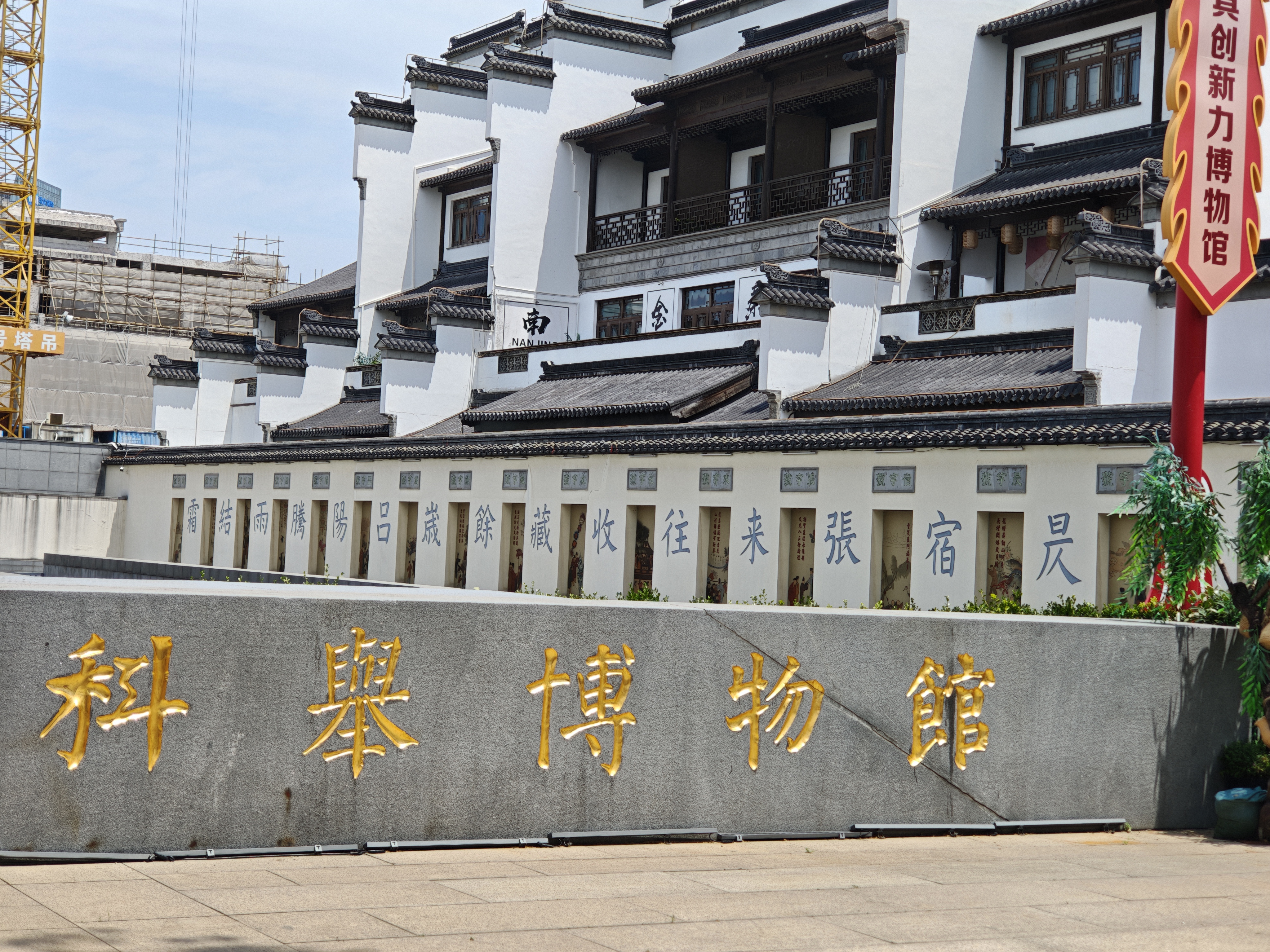 White-walled, black-tiled Hui-style architecture with the golden “Imperial Examination Museum” sign — stepping inside feels like crossing a threshold into history
3. Qinhuai River Painted Boat Ride
Board a traditional painted boat (huafang) and glide along the Qinhuai River. The most iconic sight is the “Two Dragons Chasing a Pearl” screen wall — a massive red wall adorned with golden dragon reliefs, their reflections shimmering in the water as your boat passes.
Best time: 4–5 PM, when the light is soft and the crowds thin. The one-way ride takes about 20 minutes (¥80 per person for the daytime cruise). If your schedule allows, the night cruise (¥100–140) is a completely different experience — the lanterns come alive, their reflections painting the water in warm reds and golds, and the river transforms into something that feels straight out of a classical Chinese painting. Worth every extra yuan.
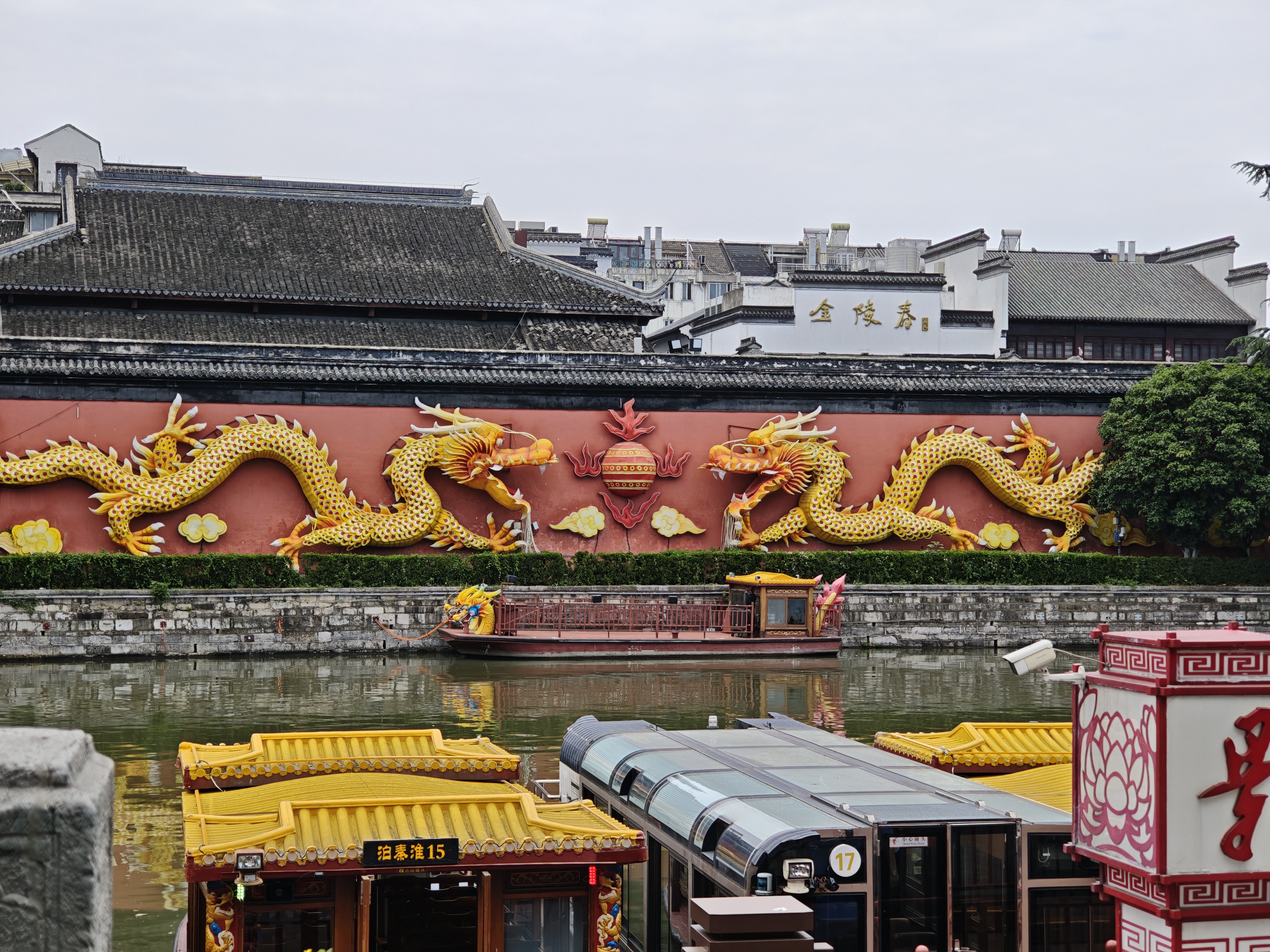 Golden dragon reliefs on the riverbank’s red wall, as a traditional painted boat glides past the “Two Dragons Chasing a Pearl” screen
4. Wuyi Lane (乌衣巷)
“By the Red Sparrow Bridge, wildflowers bloom; at the mouth of Wuyi Lane, the sunset slants. The swallows that once graced the halls of Wang and Xie now fly into the homes of common folk.” — Liu Yuxi (772–842 AD)
If you only learn one piece of Chinese poetry before visiting, make it this one. This short poem by Tang Dynasty poet Liu Yuxi transformed a narrow lane into one of the most famous literary sites in China.
The backstory: During the Eastern Jin Dynasty (317–420 AD), Wuyi Lane was the residential quarter of two of China’s most powerful aristocratic families — the Wang clan (led by Wang Dao, a key political figure) and the Xie clan (led by Xie An, the general who won the decisive Battle of Fei River). These families were so influential that their very names became synonymous with nobility and power.
By Liu Yuxi’s time — 400 years later — the families were long gone, their grand mansions replaced by ordinary homes. The poem is a meditation on the impermanence of power and glory: even the mightiest families eventually fade, and the swallows don’t care who lives in the house.
Today, the lane is marked by a traditional stone paifang. Inside, you’ll find the Wang-Xie Memorial Hall and an ancient well. The well’s preservation plaque is written in four languages (Chinese, English, Japanese, Korean) — stand beside it and you’ll feel the “weight of history” in a very literal sense.
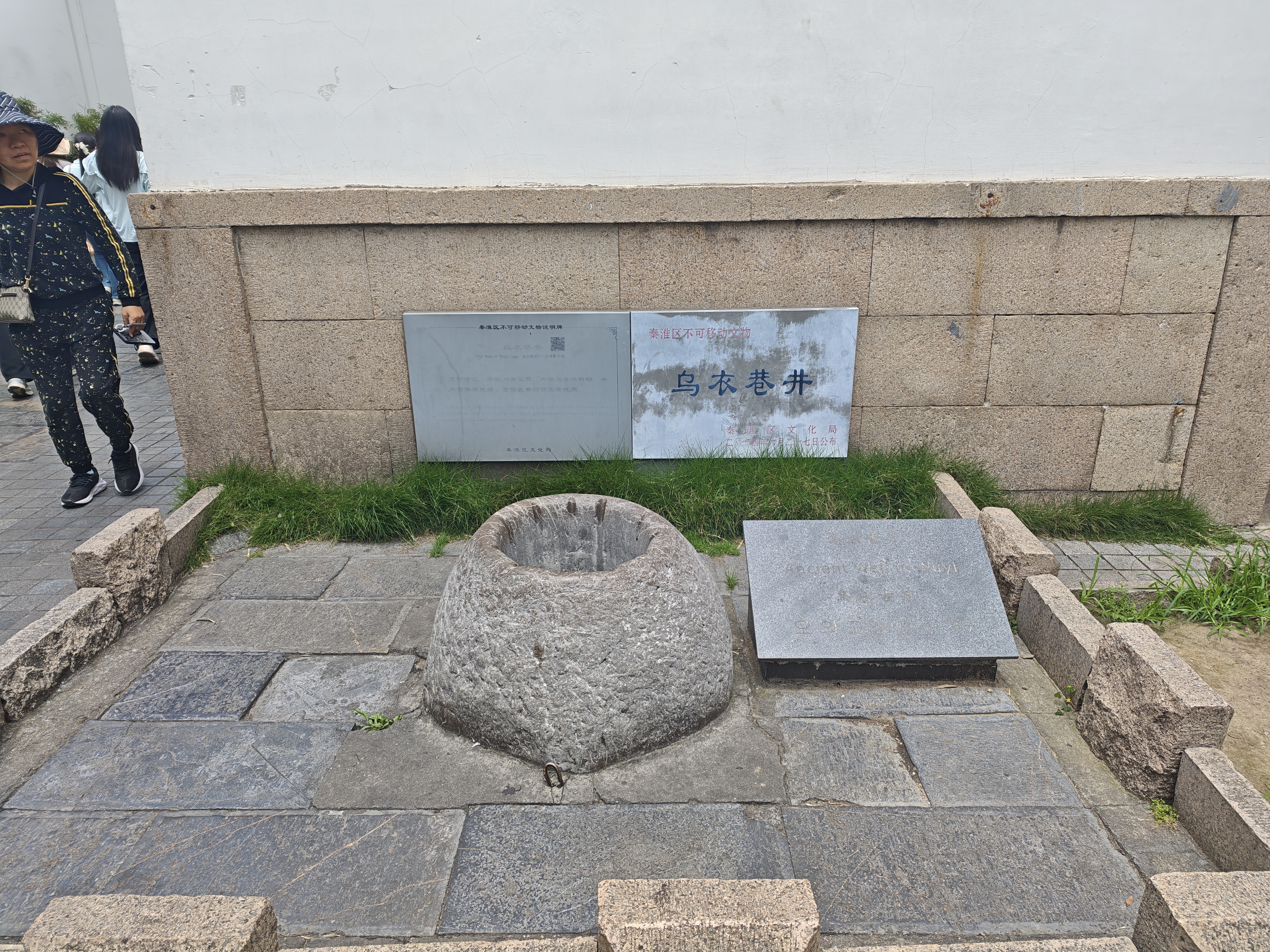 The ancient well of Wuyi Lane — its stone rim perfectly preserved, the heritage plaque multilingual
Note: The Wang-Xie Memorial Hall is small (10–15 minutes), but it’s the best place to understand the historical context of Liu Yuxi’s poem. Admission: ¥8.
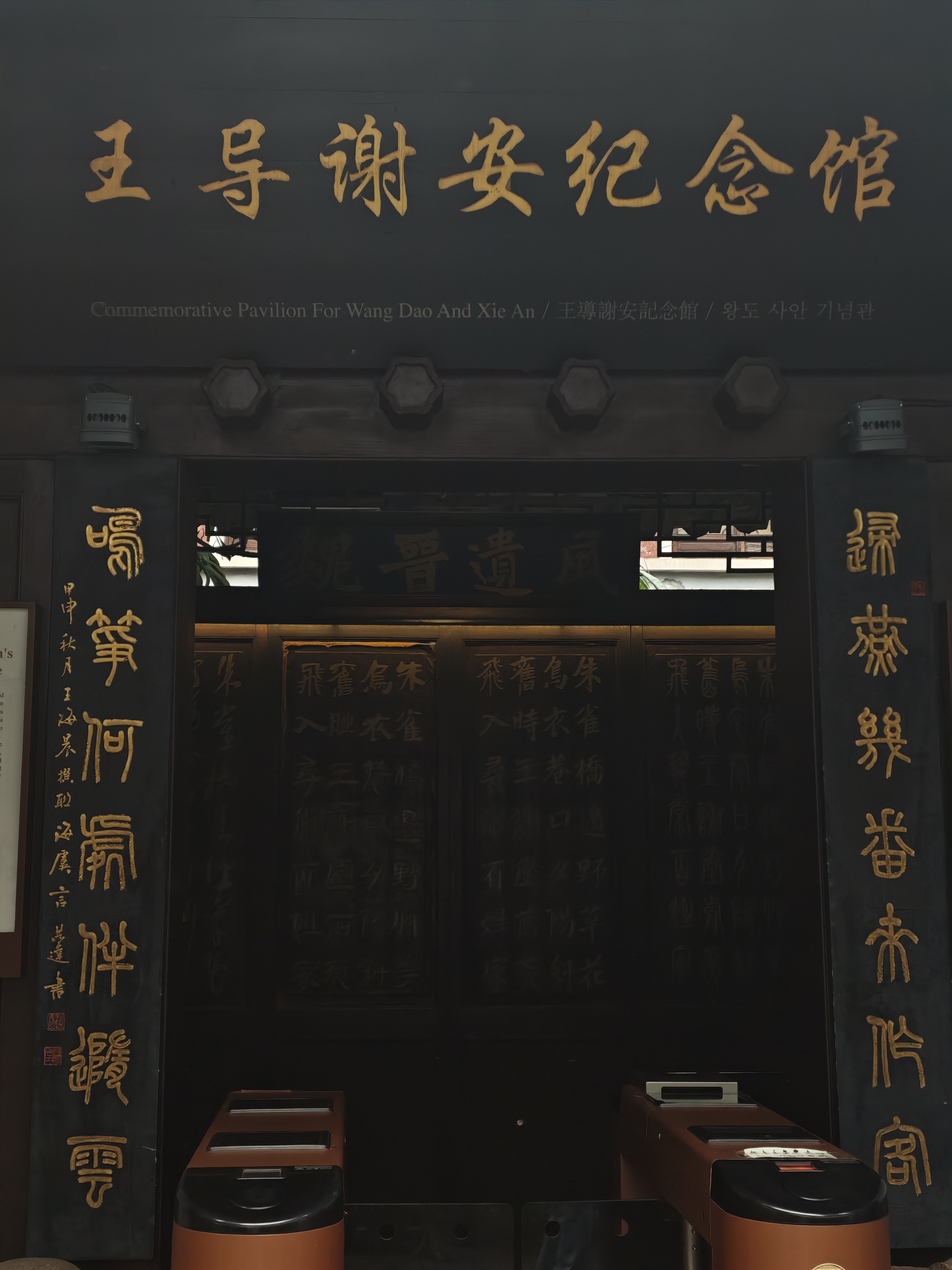 The Wang-Xie Memorial Hall — the best place to understand the story behind “the swallows of Wang and Xie”
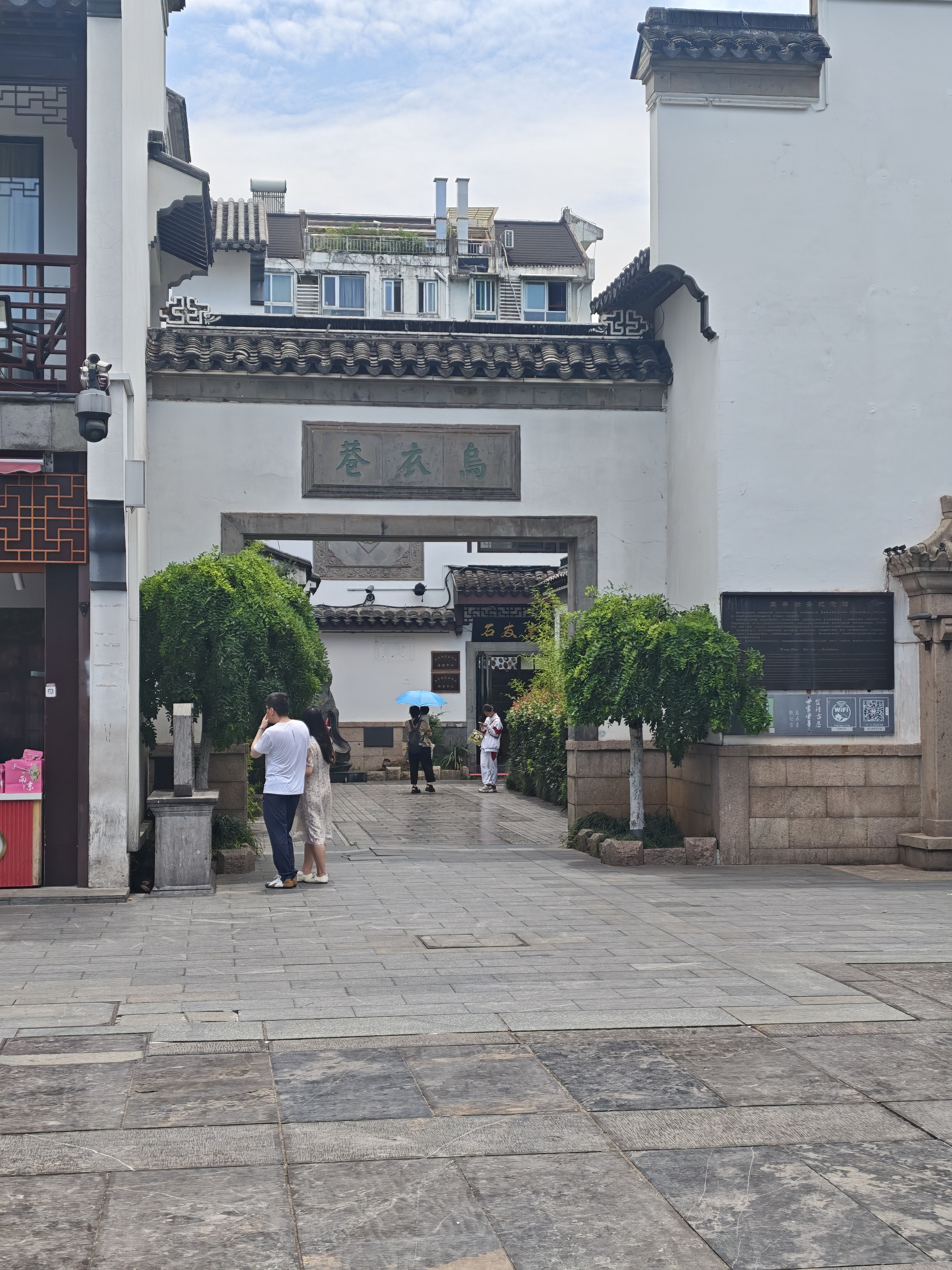 The entrance to Wuyi Lane — white walls, black tiles, a stone path stretching into history
5. Li Xiangjun’s Former Residence
Who was Li Xiangjun?
She was one of the legendary “Eight Beauties of Qinhuai” (秦淮八艳) — and before we go further, a word of clarification. The term “courtesan” is often used in English translations, but it carries connotations that don’t quite capture who these women actually were. In 17th-century China, the Eight Beauties were closer to what we might call independent artists and intellectuals — accomplished poets, painters, calligraphers, and musicians who moved in elite literary circles and engaged with scholars and officials as intellectual equals.
What makes them truly remarkable is what happened when the Ming Dynasty fell to the Manchu-led Qing in 1644. At a time when many male officials readily switched their allegiance to the new regime, several of the Eight Beauties displayed extraordinary moral courage. Li Xiangjun physically resisted a Qing-aligned official’s advances, smashing her head against a pillar and spattering blood on a fan — an act of defiance later immortalized in Kong Shangren’s classic drama The Peach Blossom Fan. Liu Rushi attempted to drown herself rather than submit to the new dynasty. These stories elevated them from “famous women” to enduring symbols of integrity and patriotism in Chinese cultural memory.
Li Xiangjun (1624–1654) is the most famous of the eight, largely because of The Peach Blossom Fan. The play tells the story of her love affair with the scholar Hou Fangyu against the backdrop of the Ming Dynasty’s collapse — a tale of loyalty, betrayal, and political intrigue. It’s often compared to Romeo and Juliet for its star-crossed lovers, but with far more political complexity.
Her former residence is a modest Jiangnan-style house — whitewashed walls, black-tiled roof. The surrounding street is lined with red lanterns and traditional shops, including duck specialty stores (more on that below).
Tip: The residence itself is small, but the surrounding streets are worth exploring at a leisurely pace.
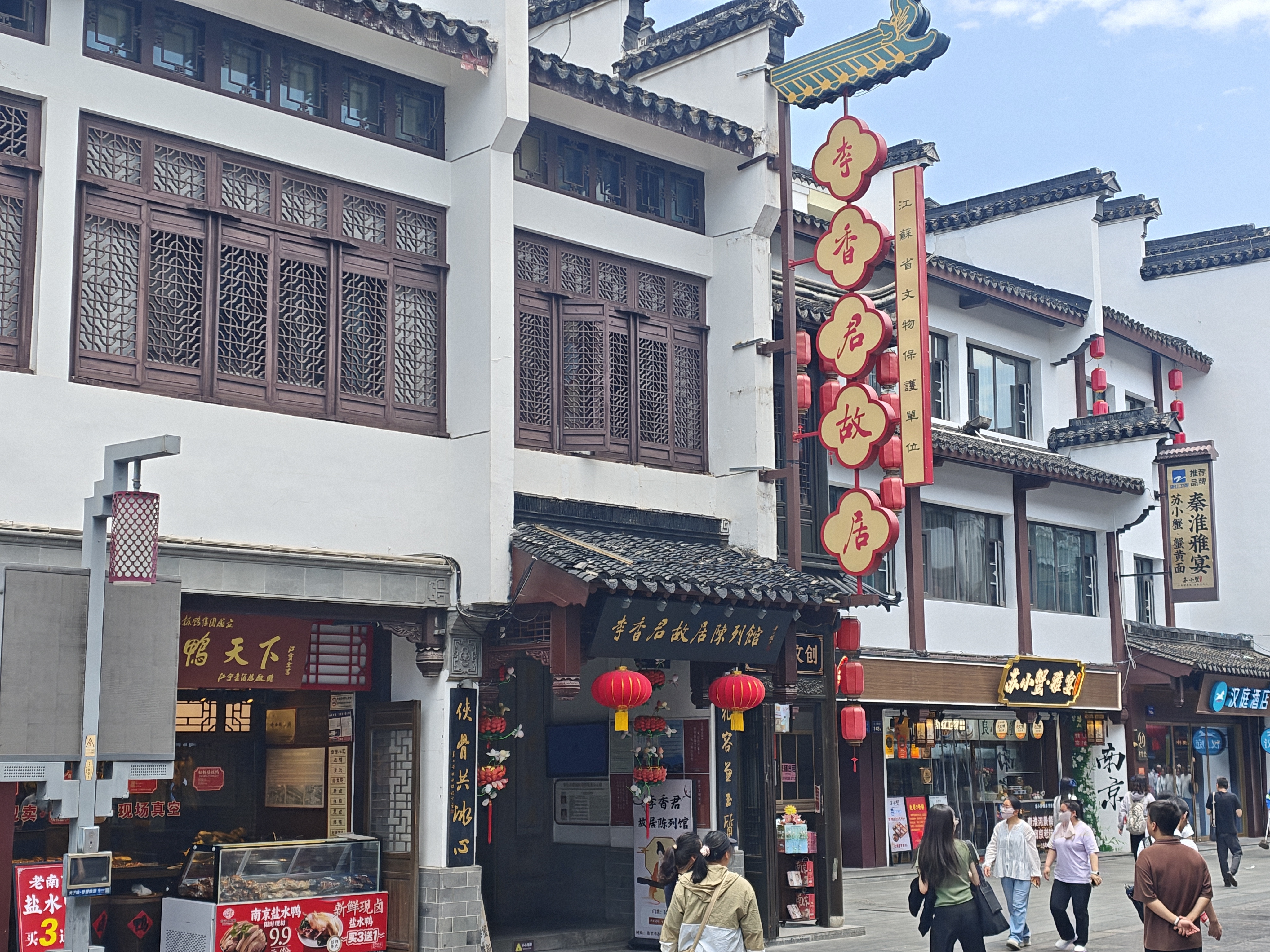 Red lanterns line the street outside Li Xiangjun’s former residence — quintessential Jiangnan atmosphere
6. Laixun Bridge & Laici Bridge
These stone bridges span a tributary of the Qinhuai River. Their carved stone railings bear their names, and from the bridge, you can see traditional architecture and modern high-rises sharing the same skyline — a visual metaphor for Nanjing itself, a city that’s constantly negotiating between its past and its future.
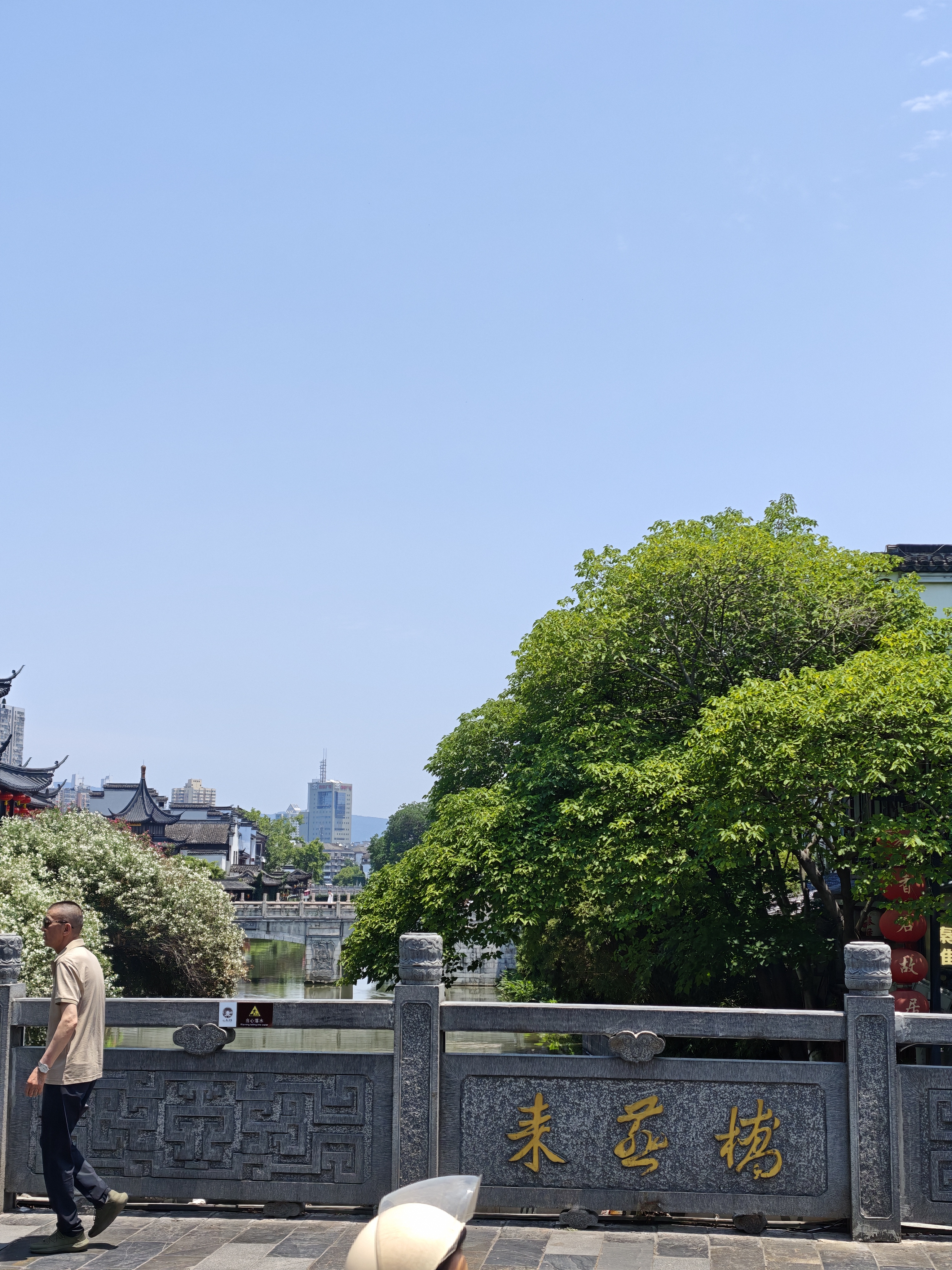 Laixun Bridge on a sunny day — traditional architecture and modern skyline coexist in the background
Eating in Qinhuai
Nanjing Impressions (南京大牌档)
Don’t be fooled by the name — “大牌档” (dàpái dàng) is not a “big brand” but a street food stall tradition dating back to the early 20th century. This restaurant chain recreates that atmosphere with traditional décor, red lanterns, and classic Nanjing dishes.
Must-try:
- Salted duck (盐水鸭, yánshuǐ yā) — Nanjing’s most famous dish. The city is known as “Jinling” (金陵), but locals joke it should be called “Duck City.” The duck is poached in brine, served cold, with tender white skin and a delicate, savory flavor. It’s nothing like Peking duck — lighter, subtler, and (in my opinion) more nuanced.
- Sweet taro with osmanthus (桂花糖芋苗, guìhuā táng yùmiáo) — warm, sweet, and comforting, perfect as a dessert.
Average cost: ¥60–80 per person (~$8–11 USD).
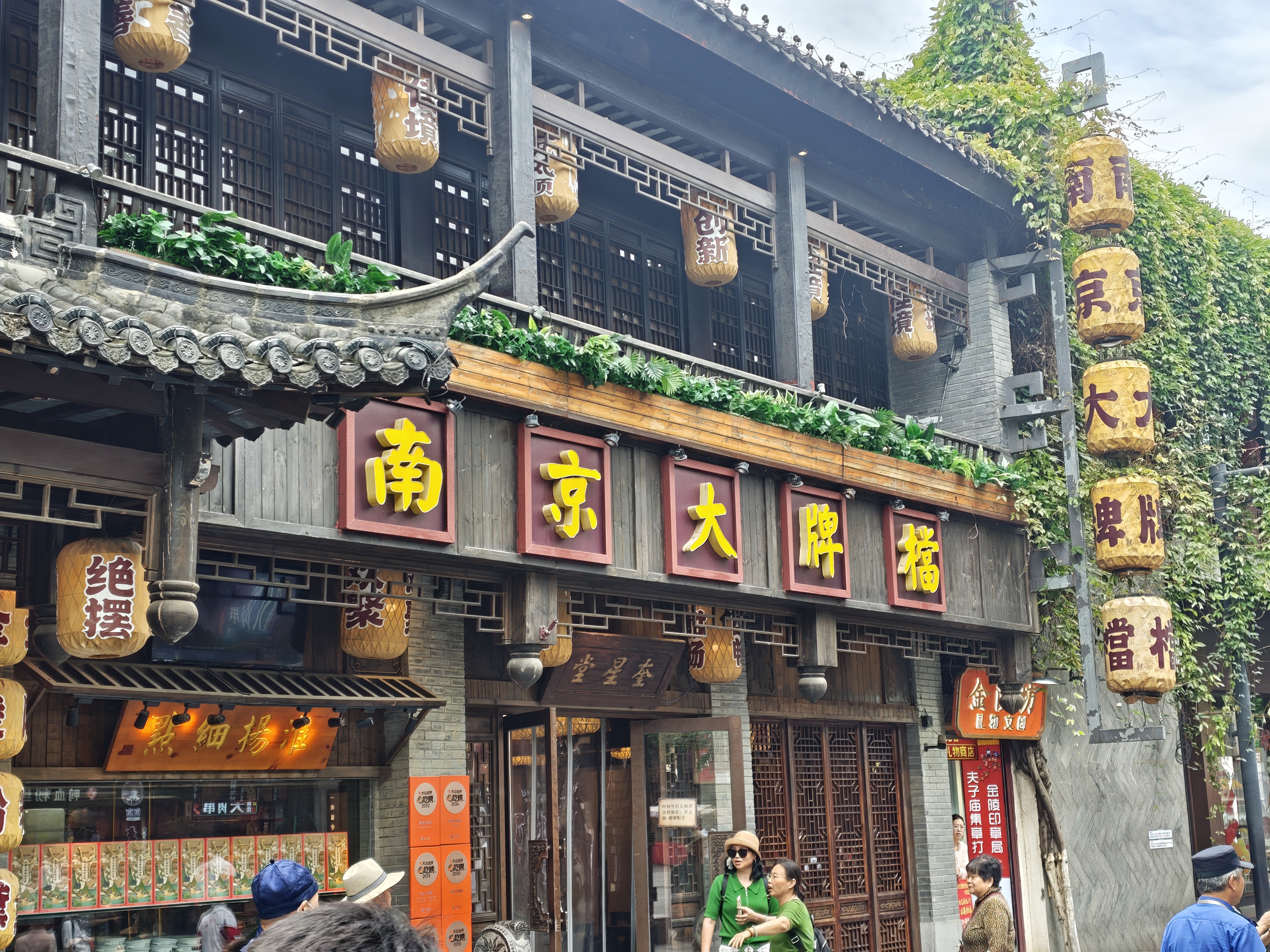 The street-front Nanjing Impressions restaurant — traditional lanterns and décor set the mood before you even sit down
Street Food
The pedestrian zone is lined with snack stalls selling:
- Duck blood vermicelli soup (鸭血粉丝汤) — sounds alarming, but it’s a savory, comforting bowl of duck blood curd, vermicelli noodles, and duck offal in a rich broth. A Nanjing staple.
- Soup dumplings (汤包, tāngbāo) — delicate steamed buns filled with hot broth. Bite a small hole, sip the soup, then eat the dumpling.
- Plum blossom cake (梅花糕, méihuā gāo) — a sweet, flower-shaped pastry filled with red bean paste.
Tip: Stalls with long queues are generally safer bets — high turnover means fresher ingredients. The “internet-famous” shops often have 30+ minute waits but taste similar to the regular ones.
Staying in Qinhuai
- Budget: Home Inn, Hanting — ¥200–300/night (~$28–42 USD)
- Mid-range: Boutique guesthouses along the Qinhuai River — ¥400–600/night (~$56–84 USD). Book a river-view room for the night scenery.
- Splurge: Jinling Hotel, Holiday Inn Aqua City — ¥800+/night (~$112+ USD)
Recommendation: If you want to see the Qinhuai River at its most magical, stay at a riverside guesthouse — open your window at night and you’ll see the lantern-lit river reflected in the water, with painted boats drifting past.
Practical Tips
-
Avoid the crowds: Weekend and holiday traffic is 3–5× heavier than weekdays. If your schedule is flexible, visit on a weekday.
-
Sun protection: Nanjing summers are hot and humid (35°C+ / 95°F+). Bring sunscreen, an umbrella, and water. Shade is limited in the pedestrian zone.
-
Beware of tourist markups: Shops in the scenic area charge premium prices, especially for crafts and souvenirs. For local specialties (salted duck, osmanthus products), head to a nearby supermarket.
-
Golden hour photography: Before 8 AM or after 5 PM — soft light, fewer tourists, cleaner compositions.
-
Night scenery: If you have time, stay for the evening. The Qinhuai River at night — red lanterns reflected in the water, painted boats gliding past — is far more atmospheric than during the day.
-
Rickshaw rides: Traditional red rickshaws are available throughout the pedestrian zone. Drivers wear traditional costumes and will quote ¥50–100 per ride. Always negotiate the price before boarding.
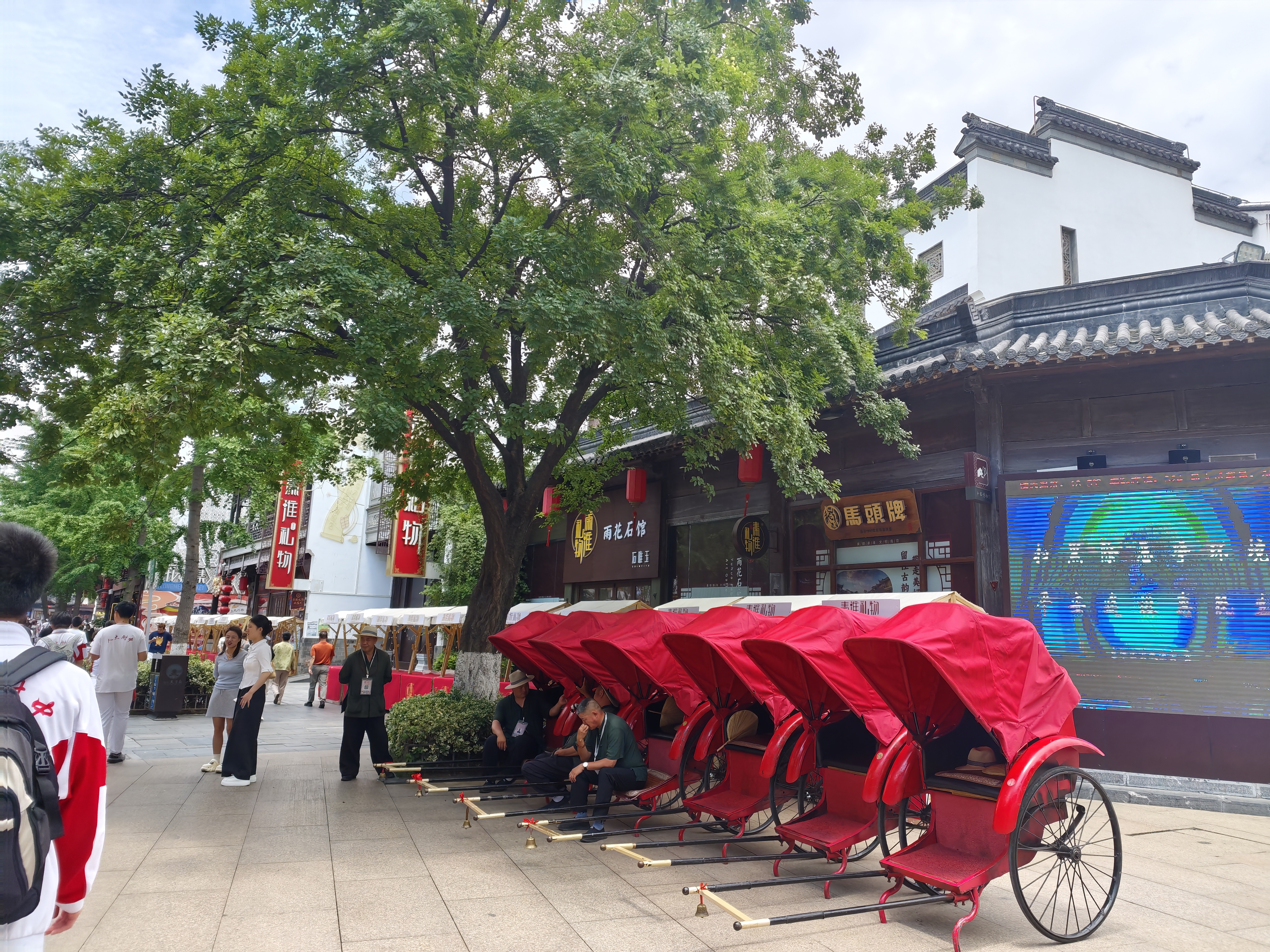 Red rickshaws lined up on the ancient street — drivers in traditional attire wait for passengers
The Bottom Line
Fuzimiao and the Qinhuai River aren’t a single “attraction” — they’re a living museum. There’s commercial noise, yes, but also genuine historical depth. There are crowds, but also quiet lanes where you can hear your own footsteps on ancient stone.
Spend half a day walking from the Gate of Heavenly Culture to the mouth of Wuyi Lane, and you’ll understand why Nanjing — the ancient capital of six dynasties — is far more than a footnote in Chinese history. It’s a city that has been destroyed and rebuilt so many times that resilience is woven into its very architecture.
Author’s note: This article is based on a visit in May 2026. Some details (prices, hours) may change seasonally. Check official sources before your trip.